


 English
 Español

Amy Lou
Tel: +86-13750976592(whatsApp / Wechat)
E-mail: [email protected]

Premium packaging has traditionally been associated with rigid structures, substantial weight, smooth surfaces, metallic details, and carefully arranged interiors. Sustainable packaging boxes are changing that assumption. Recycled paperboard, responsibly sourced paper, molded fiber, and simplified paper-based structures can now support a refined product presentation without relying heavily on plastic components.
The real question is not whether sustainable packaging can look attractive. The more useful question is whether its materials and construction can provide the structure, tactile quality, visual consistency, and interior presentation expected from premium packaging.
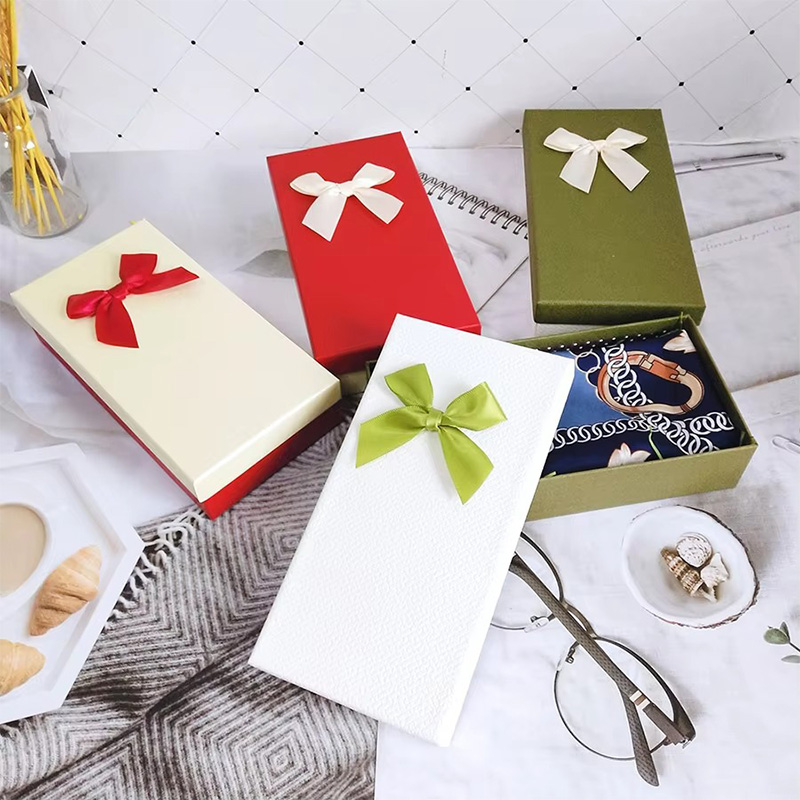
Box thickness has a direct effect on rigidity and hand feel. Thin folding cartons may suit lightweight products, while rigid boxes require a stronger board structure to maintain their shape.
Recent packaging references describe rigid boxes using greyboard cores around 1–3 mm thick, combined with recycled, Kraft, or FSC-certified wrapping papers.
Premium appearance does not always require multiple decorative layers. Paper texture itself can become part of the visual design. Uncoated paper, subtle grain, matte surfaces, and natural Kraft finishes can create a more restrained presentation.
Sustainable packaging boxes can therefore use material character instead of covering every surface with heavy graphics. Such an approach also fits current minimalist packaging directions, where restrained branding and visible material texture are increasingly used together.
Material responsibility and structural performance can be considered together. A rigid box made with recycled board can still provide a firm enclosure for jewelry, cosmetics, electronics accessories, and gift products.
Current market research also identifies recycled paperboard, biodegradable materials, and environmentally responsible inks as materials being integrated into premium rigid box designs. The challenge is balancing material reduction with sufficient strength and presentation quality.
Structural design becomes particularly important for products that need protection during shipping. A well-engineered box can distribute pressure through its walls and base rather than depending solely on extra material thickness.
Exterior materials receive considerable attention, yet the interior often has a stronger effect during product reveal. Traditional plastic or foam inserts can be replaced in some applications with paperboard, molded fiber, or other fiber-based structures.
Industry examples already combine rigid paperboard structures with molded fiber trays to create premium packaging while maintaining a predominantly paper-based material system.
Removing unnecessary layers does not automatically make a package look basic. A simplified construction can actually make proportions, typography, texture, and structural precision more visible.
Sustainable packaging boxes can use a limited number of carefully chosen elements: a rigid paperboard structure, textured wrapping paper, restrained printing, and a shaped insert. Each component then has a clear visual or functional purpose.
Current 2026 packaging discussions describe this approach as material-led design, where the surface, weight, texture, and construction provide much of the premium character instead of excessive decoration.
Premium rigid boxes are often kept after the original product has been removed. A sturdy jewelry box may become a storage container, while a larger gift box can be reused for accessories or keepsakes.
Such extended use changes the relationship between packaging and product. Rather than functioning only as a temporary protective shell, the box can remain useful after purchase. Current luxury packaging discussions also identify reusable rigid structures as a way to extend packaging life while maintaining a premium tactile experience.
Material claims alone cannot determine whether a package feels premium. Physical samples should be evaluated before production, particularly for rigid structures and products with higher presentation requirements.
Sustainable packaging boxes can support premium product presentation when sustainability is incorporated into the structural and visual design rather than treated as a separate feature. Recycled board, FSC-certified paper, molded fiber inserts, tactile surfaces, restrained finishing, and reusable structures can work together within a premium packaging concept.
Premium presentation is ultimately shaped by more than material appearance. Board thickness, surface texture, structural precision, insert design, finishing details, and the physical opening experience all contribute to how the package is perceived.
The future of sustainable premium packaging may therefore be less about making an eco-friendly box look luxurious and more about designing the box so that responsible materials become part of its premium character.

5F, Building 1, No#8, Jiangwan Street, Yiwu City, Zhejiang Province, China, 322000 CN
