


 English
 Español
Amy Lou
Tel: +86-13750976592(whatsApp / Wechat)
E-mail: [email protected]

Packaging size has a direct connection with product presentation, protection, and handling. Standard boxes may work for products with fixed dimensions, yet unusual shapes, compact accessories, fragile items, or multi-piece sets can create fitting problems. Custom size packaging boxes provide another approach by building the usable internal space around the actual product rather than forcing the product into a predetermined box format.
Product fit is not simply about making an item enter the box. Internal clearance, protective materials, inserts, closure structure, and removal space can all affect the final packaging experience. Recent packaging guidance also emphasizes the difference between internal and external dimensions, since internal measurements determine usable product space while external measurements affect shipping and storage requirements.
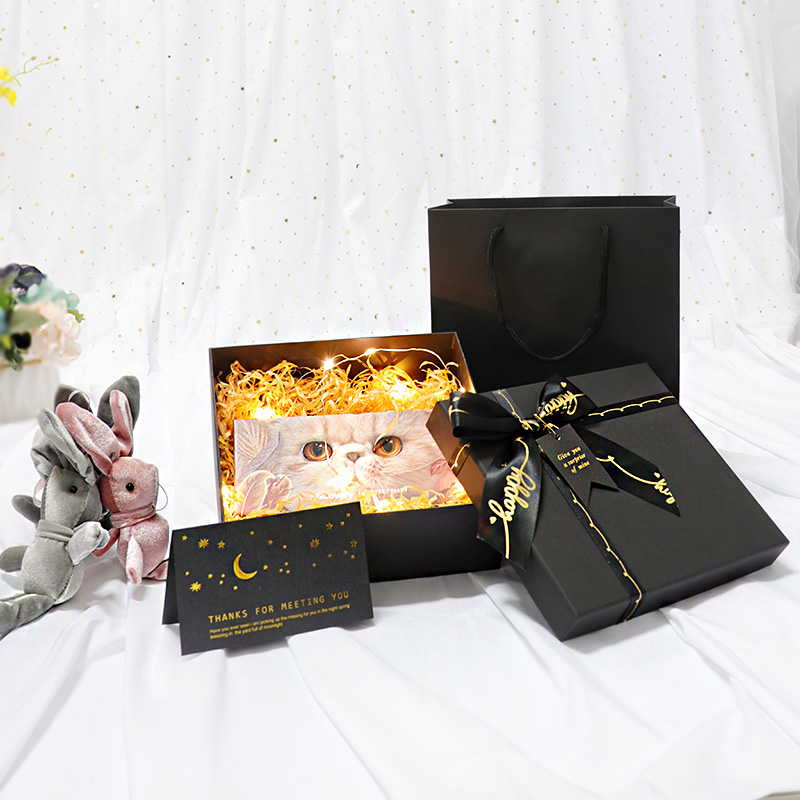
Accurate measurements create the foundation for custom size packaging boxes. Product dimensions should normally be recorded as length × width × height, with the item measured in its actual packed position.
Measuring only the main product can create unexpected pressure points once accessories or protective layers are added. Physical samples can also reveal differences between theoretical dimensions and the actual packed arrangement.
Packaging specifications can become confusing because boxes have both internal and external dimensions. Internal dimensions describe the usable space available for the product. External dimensions include the thickness of the packaging material and are more relevant to transportation, storage, and carton planning.
Suppose a product requires an internal space of 200 × 120 × 50 mm. Using an external measurement of 200 × 120 × 50 mm as the design reference could result in insufficient usable space, particularly with corrugated board or thicker paperboard structures.
Extra space is necessary, but excessive empty space can allow products to move during handling. Too little clearance can make loading difficult or place pressure on delicate surfaces.
Some packaging guides suggest adding a modest clearance allowance rather than creating a large empty cavity. The actual allowance should depend on the product surface, insert material, loading method, and transportation requirements.
Size alone does not determine whether packaging will work. Mailer boxes, folding cartons, rigid boxes, and corrugated shipping boxes use different folding and closure structures. Flaps, walls, folds, magnetic components, and inserts can occupy part of the available space.
Custom size packaging boxes can therefore be developed around both the product and the packaging structure. A compact product may require a shallow box with a shaped insert, while a taller item may need greater internal depth and stronger sidewalls.
Packaging fit becomes visible during opening. Excessive movement may make the product appear poorly secured, while an overly tight package can make removal frustrating. A well-planned internal layout can keep the product positioned correctly and provide a cleaner presentation.
Such details become particularly relevant for cosmetics, electronics accessories, jewelry, gift products, small hardware, and other items where appearance matters alongside physical protection.
Digital dimensions can provide a useful starting point, but a physical sample gives buyers an opportunity to inspect the complete packaging arrangement. The actual product, insert, protective layer, closure, and removal process should be tested together.
Custom size packaging boxes can address product fit problems by treating the product, protective space, insert, and box structure as a connected system. Accurate internal measurements, suitable clearance, appropriate material thickness, and physical sample testing can create packaging that feels more controlled from packing through delivery.
Rather than asking only whether a product can fit inside a box, packaging buyers can examine a broader question: does the box provide the right amount of usable space, protection, presentation, and handling convenience for the actual product?

5F, Building 1, No#8, Jiangwan Street, Yiwu City, Zhejiang Province, China, 322000 CN
