


 English
 Español
Amy Lou
Tel: +86-13750976592(whatsApp / Wechat)
E-mail: [email protected]

A jewelry box communicates something about a brand before customers see the jewelry inside. The way a lid aligns, the resistance felt during opening, and the sound of the closure can influence how customers perceive the overall presentation. A magnetic closure offers a distinctive opening experience, but its performance depends on the box structure, magnet placement, materials, and intended use.
At Yantong Packaging, we recommend evaluating the complete packaging design rather than treating the closure as an isolated feature. A well-planned magnetic box should reflect the brand's visual identity while remaining practical for retail display, gifting, and everyday handling.
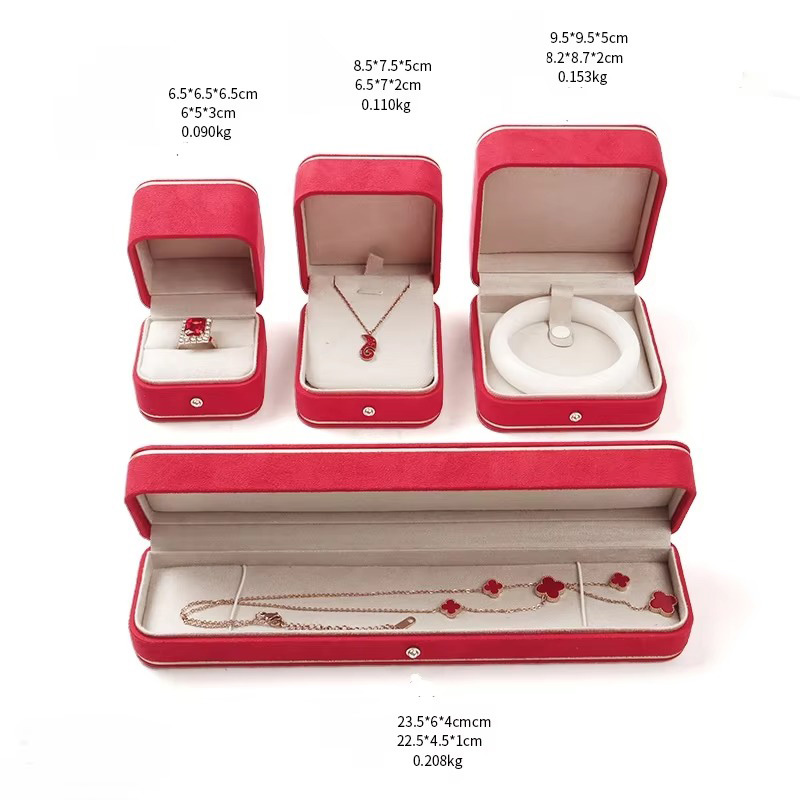
Different jewelry brands have different expectations for packaging. A minimalist collection may require a clean exterior and a smooth, understated opening action, while a gift-oriented collection may benefit from a more substantial box structure.
Our Magnetic Closure Paper Jewelry Box design considerations begin with the intended product and customer experience. The right closing action should complement the jewelry rather than distract from it.
A magnetic closure uses concealed magnets to hold the lid against the corresponding section of the box. The finished feel depends on several interacting components, so choosing a magnet by size alone does not guarantee the desired result.
We recommend assessing these elements together during sample development. The final closure specification should be based on the completed box rather than an individual component.
A magnetic closure can be used for different jewelry categories, but the internal layout should reflect the size and shape of the contents. A ring box has different space requirements from a bracelet box or a set containing several jewelry pieces.
Insert height is particularly important. Jewelry should remain secure without pressing against the lid when the box is closed. A sample containing the actual product can help us assess the relationship between the insert, the internal dimensions, and the closure.
The closing feel is only one part of the customer's experience. The exterior surface, logo treatment, interior lining, and box proportions should work together to create a consistent presentation.
Buyers should also compare the visual result under ordinary retail lighting. A paper texture or metallic logo that looks different from the approved design may affect the intended presentation, so physical samples are useful for reviewing both appearance and handling.
Packaging that feels good on a display counter must also withstand the handling expected throughout distribution. The lid should remain aligned, the hinge should operate smoothly, and the jewelry should stay in its intended position.
At Yantong Packaging, we suggest including these checks in the sample review:
Magnetic closures should not replace appropriate shipping protection. The complete package needs to be evaluated according to the product weight, box dimensions, and expected handling conditions.
The commercial value of a magnetic jewelry box depends on more than its unit price. Board specifications, wrapping materials, printing, insert construction, assembly, and shipping dimensions can all affect the final quotation.
We recommend comparing supplier quotations against the same requirements:
A clear specification helps purchasing teams compare quotations fairly and reduces uncertainty before production approval.
A magnetic jewelry box should offer a consistent closing action, practical product protection, and an exterior that reflects the brand's positioning. Magnet strength, board thickness, hinge alignment, and insert design all contribute to the final experience.
At Yantong Packaging, we encourage jewelry brands, retailers, and wholesale buyers to evaluate a physical sample before confirming a bulk order. Share your jewelry dimensions, preferred materials, branding artwork, and target order volume with our team to discuss a magnetic paper jewelry box suited to your packaging requirements.

5F, Building 1, No#8, Jiangwan Street, Yiwu City, Zhejiang Province, China, 322000 CN
